


 Customer service
YouTube
The best way to replace the tires and tubes on your moped
Replacing a tire or inner tube on a Puch moped is a job most home mechanics can do, but it is also one of those jobs where a small mistake can immediately puncture a brand-new tube.
This guide explains the complete process in a clean workshop format: remove the wheel, deflate the tube, remove the tire, inspect the rim, fit the new tube, seat the tire correctly and reinstall the wheel safely.
Watch the Puchshop workshop video, then use the step-by-step guide below while working on your own wheel.
When should you replace a Puch tire or inner tube?
Old Puch mopeds often still run tires and tubes that have been fitted for years. Even when the outside of the tire looks usable, the inner tube can become weak, dry or leaky around the valve.
A leaking valve, slow pressure loss or cracked rubber is a good reason to stop riding and check the wheel before the tire lets you down on the road.
| Situation | What to look for | Recommended action |
|---|---|---|
| Inner tube problem | The valve leaks, the tube loses pressure overnight, the tube has been pinched, or you are fitting a new tire. | Replace the inner tube and inspect the inside of the tire and rim before mounting. |
| Tire problem | The rubber is cracked, the tread is worn, the sidewall is damaged, the bead is damaged, or the tire has become hard from age. | Replace the tire and fit a new tube if the old one is aged, damaged or questionable. |
| Old or unknown moped | You bought an old Puch, restored a Puch, changed wheel bearings, or prepared the moped for a longer ride. | Inspect everything before riding: tire, tube, rim, valve, rim tape, brake and axle hardware. |
Parts, tools, tire size and rim type
Check the tire size before ordering parts. Many Puch Maxi models use small moped tire sizes such as 2.00, 2.25 or 2.50 depending on the model, market and setup. A wider tire can fit in some cases, but it can also make assembly harder and increase the chance of pinching the tube.
Also check whether your wheel is a cast wheel or a spoked wheel. On a clean cast wheel, there are no spoke ends inside the rim. On a spoked wheel, old or missing rim tape can quickly damage a new inner tube.
| Part or tool | Why you need it | Shop |
|---|---|---|
| Correct tire size | The tire must match your Puch model, rim size and available frame clearance. | Shop Puch tires |
| Correct inner tube | Make sure the tube size, valve type and valve angle match your rim. | Shop inner tubes |
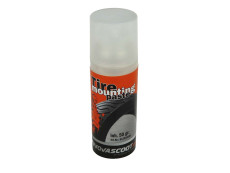
| Tire grease or mild soap | Lubricates the bead so the tire can seat correctly without damaging the tube. Do not use WD-40 on rubber. | Shop tire tools |
| Valve-core tool | A valve cap with slots, or a separate valve-core tool, lets you remove the valve core and fully deflate the tube. | Shop tire tools |
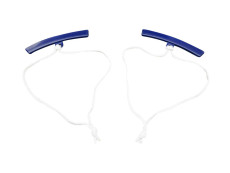
| Tire levers | Useful for removing the tire, but they should be avoided during final mounting where possible. | Shop tire levers |
| Rim tape for spoked wheels | Spoked wheels need rim tape because spoke nipples can damage the inner tube. A smooth cast wheel normally does not need rim tape. | View rim tape |
| Pump or compressor with pressure gauge | You need controlled pressure to seat the tire bead and then set the final riding pressure. | Shop tire tools |
Step-by-step: replace the tire and inner tube
Back to topMistakes, pressure and final safety check
Common mistakes that puncture a new inner tube
- DON’T use WD-40 as tire mounting lubricant. It is useful for many workshop jobs, but not for tire rubber. Use tire grease or mild soap instead.
- Pinching the tube between the tire bead and the rim.
- Using tire levers too aggressively during final assembly.
- Leaving the lower valve nut trapped inside the rim area during mounting.
- Fitting a tire that is too wide for the rim or frame clearance.
- Forgetting rim tape on a spoked wheel.
- Inflating the tire and riding away without checking the bead indicator line around the full rim.
Recommended tire pressure for a Puch moped
For a standard Puch Maxi road setup, around 2.0 to 2.1 bar is a practical starting point for normal road-use.
Do not treat this as one fixed rule for every rider and every tire. A heavier rider, a different tire, wet roads, rough roads or very cold weather can change what feels safe and stable. Always check the tire sidewall and use sensible pressure for your setup.
Final safety check before riding
- The bead indicator line is even on both sides of the tire.
- The valve sits straight and is not pulled at an angle.
- The wheel spins freely without rubbing.
- The brake works correctly and the brake anchor is fitted.
- The chain is correctly tensioned and aligned.
- The axle nuts are tightened securely.
- The tire pressure is set for road use, not left at the high seating pressure.
Replacing your Puch tire or inner tube?
Check the correct tire size, inner tube, rim tape and mounting tools before you start. The right parts make the job easier and help prevent a pinched tube.
Shop Puch tires Shop inner tubes Shop tire tools Always confirm your tire size, rim size and valve type before ordering.FAQ: Puch moped tire and inner tube replacement
Do I need tire levers to replace a Puch tire?
You usually need tire levers to remove the old tire, but try to mount the final part of the tire by hand. Tire levers can pinch and puncture the new inner tube.
Should I use WD-40 to mount a moped tire?
No. Do not use WD-40 on the tire or inner tube. Use tire grease or a small amount of mild soap because it is safer for rubber and helps the bead seat properly.
Does a Puch wheel need rim tape?
A spoked wheel needs rim tape to protect the tube from spoke nipples and sharp edges. A smooth cast wheel normally does not need rim tape, but you should still inspect the inside of the rim.
Why does my new inner tube leak after installation?
The most common causes are a pinched tube, a damaged valve, a sharp rim edge, missing rim tape on a spoked wheel, or using tire levers too aggressively during mounting.
What tire pressure should I use on a Puch Maxi?
Around 2.0 to 2.1 bar is a good starting point for many standard road setups, but you should adjust for tire type, rider weight and road conditions.