


 Customer service
video
How to mount a Bosch electronic ignition on a Puch Maxi
A Bosch-style electronic ignition is a popular upgrade for the Puch Maxi because it replaces the old contact points and condenser with a more modern CDI-style ignition setup. The installation itself is not difficult, but the wiring can be confusing if you have never connected this type of ignition before.
In this guide, we explain how to remove the original Puch Maxi ignition, fit the Bosch-style stator plate and flywheel, connect the CDI unit, ground the system correctly, check the lighting wires and test for spark before starting the moped.
What is a Bosch electronic Puch Maxi ignition?
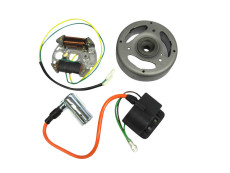
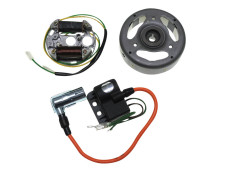
The Bosch-style replacement ignition is designed as an upgrade for the standard Puch Maxi ignition system. Instead of using contact points and a condenser, this setup uses a stator plate, flywheel, external CDI unit and ignition coil connection.
The construction is similar to later Puch Maxi models that used an external ignition coil, but this version uses a CDI-style unit instead of the older points setup. That means less maintenance, no point gap adjustment and fewer wear parts inside the ignition.
Main parts of the ignition system
| Part | Function | Important detail | Common mistake |
|---|---|---|---|
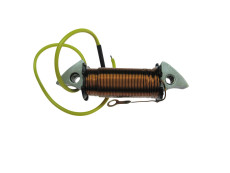
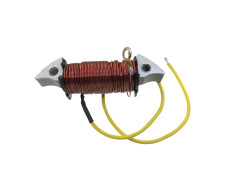
| Stator plate | Sits inside the engine case and creates the ignition and lighting output. | The base plate is mounted in the same area as the original ignition. | Forgetting to set the plate position before tightening the screws. |
| Flywheel | Rotates around the stator and triggers the ignition. | The slot in the flywheel must line up correctly with the crankshaft key. | Installing it off-position or tightening it with an impact gun. |
| CDI unit | Controls the spark signal and sends it to the spark plug lead. | Must be mounted safely and grounded correctly. | Leaving the brown ground wire loose or attached to painted metal. |
| Brown wire | Ground / earth connection. | Connect it to clean metal on the frame or engine. | Assuming the CDI will work without a proper ground. |
| Green wire | Ignition signal wire from the stator/coil side to the CDI. | This is the wire that often causes confusion during installation. | Not connecting it because both terminals appear to be the same type. |
| Yellow wire | Lighting output. | Normally runs toward the headlight circuit. | Mixing lighting wires with the ignition ground or kill switch wiring. |
| White wire | Often used as a return/feed in the lighting circuit depending on the wiring loom. | Check your own Puch Maxi wiring before final connection. | Assuming every Maxi loom is wired exactly the same. |
Tools and parts you need
Before you start, make sure you have the correct tools. The flywheel puller and piston stop are especially important. Do not try to remove the flywheel with random pliers or by prying behind it, because that can damage the flywheel, crankshaft or engine case.
| Tool or part | Used for | Why it matters | Tip |
|---|---|---|---|
| Flywheel puller | Removing the old flywheel from the crankshaft. | This is the correct tool for pulling the flywheel straight off. | Buy it once and keep it in your Puch toolbox. |
| Piston stop | Holding the crankshaft while removing or tightening the flywheel nut. | Prevents the crank from turning while you work. | Remove the spark plug first, then carefully install the piston stop. |
| Screwdrivers | Removing covers and loosening the stator plate screws. | You need the correct size to avoid damaging old screws. | Press firmly into the screw before turning. |
| Socket / spanner set | Removing the flywheel nut and mounting the ignition. | The nut size can vary depending on the setup. | Do not use an impact gun on the flywheel nut. |
| Crimping pliers and cable terminals | Making the CDI connection when the connectors do not directly match. | The green ignition wire connection often needs a small adapter or terminal change. | Use proper crimp terminals and insulate the connection afterwards. |
| Heat shrink or insulation tape | Protecting wiring connections. | Prevents loose contacts and accidental grounding. | Heat shrink is cleaner, but insulation tape can work for a quick test. |
| Zip ties | Securing the wiring after installation. | Keeps wires away from the flywheel, chain and hot parts. | Do the final cable routing after confirming spark. |
Removing the old Puch Maxi ignition
Start by removing the flywheel cover so you can access the original ignition. Remove the spark plug, install the piston stop and loosen the flywheel nut. Once the nut is removed, thread the flywheel puller into the flywheel and pull the flywheel off the crankshaft.
After the flywheel is removed, you can see the original stator plate. Loosen the small screws that hold the ignition plate in place and carefully remove the old ignition from the engine.
Inspect the engine while the ignition is out
This is a good moment to inspect the inside of the ignition side of the engine. Check whether the crankshaft seal looks dry, damaged or installed incorrectly. If you see fuel, oil, dirt buildup or a loose seal, fix that before finishing the ignition installation.
Installing the Bosch electronic ignition
Fit the rubber grommet into the engine case before routing the new ignition wiring. The rubber protects the wires where they pass through the engine case, so do not leave it out.
Place the new stator plate in the engine and install the mounting screws loosely at first. On the video setup, the plate is positioned slightly toward advance for a standard engine. Do not overdo this. The goal is to give the engine a clean starting point, not to create extreme ignition timing.
Fitting the flywheel
Install the flywheel carefully and make sure the flywheel slot lines up with the crankshaft key. If the flywheel is not seated correctly, the ignition timing will be wrong and the flywheel can damage the crankshaft key.
A flywheel nut torque around 25 to 30 Nm is commonly used for this type of setup, but always follow the correct specification for your parts and crankshaft. After the flywheel is tight, remove the piston stop before reinstalling the spark plug.
Back to topHow to connect the CDI unit
The CDI unit can be mounted under the side cover, on the frame or in another safe location where the wiring is protected. You can screw it in place, mount it with a bracket or secure it neatly, as long as it cannot move into the chain, flywheel or hot engine parts.
Brown wire: ground connection
The brown wire is the ground wire. This must be connected to clean metal on the frame or engine. If you attach it to paint, rust or a loose bolt, the ignition may not spark reliably.
Green wire: ignition connection
The green wire from the ignition side must connect to the CDI unit. This is the part that confuses many people because the two connectors can both look like female terminals. If the connectors do not fit directly, make a proper adapter using cable terminals, or replace one terminal so the connection is solid.
Yellow and white wires: lighting circuit
The yellow wire is normally the lighting output and runs toward the headlight circuit. On many Puch Maxi wiring looms, the power is then distributed from the headlight area to the rear light and other lighting connections. The white wire may be used as a return or rear light feed depending on your loom.
Because this ignition is normally a 12 volt setup, check your bulbs before riding. If your moped still has 6 volt bulbs installed, the bulbs may burn out or the lighting may not work correctly.
Stop button / kill switch
The stop button works by grounding the ignition circuit. If the engine starts but will not switch off, check the kill switch connection. If the engine has no spark, also check that the stop wire is not accidentally grounded all the time.
Back to topTesting spark and starting the moped
Before putting everything back together, test the ignition spark. Fit the spark plug cap to the spark plug, hold the plug against clean metal on the engine and rotate the engine using the pedals or kick mechanism. You should see a clear spark.
If the moped has been sitting for a while, old fuel or a dirty carburettor can make the first start more difficult. Do not immediately blame the ignition if you have spark but the engine still does not start. Check fuel, compression, carburettor setup and air leaks as well.
Spark plug cap choice
The supplied plug cap can work, but many riders prefer using an NGK plug cap because it fits securely and is easy to replace later. Always check whether your plug cap is designed to fit with or without the small screw-on terminal on top of the spark plug.
Back to topFAQ: Puch Maxi Bosch electronic ignition installation
Is the Bosch electronic Puch Maxi ignition a direct replacement for the original ignition?
Yes, it is designed to replace the original Puch Maxi ignition setup, but the wiring is different because it uses an external CDI unit instead of the original points and condenser system.
Which wire is the ground on the Bosch electronic CDI ignition?
The brown wire is the ground wire. Connect it to clean metal on the frame or engine. A poor ground is one of the most common reasons for weak spark or no spark.
Why do both ignition connectors look female?
On some setups, the green wire connection can be confusing because the CDI side and ignition side both appear to use the same style of connector. Use a proper adapter or change one terminal so the green wire has a strong, insulated connection to the CDI.
Do I need 12 volt bulbs with this ignition?
In most cases, yes. This ignition is normally a 12 volt setup, so you should check the headlight and rear light bulbs before riding. If the moped still has 6 volt bulbs, they may burn out.