


 Customer service
YouTube
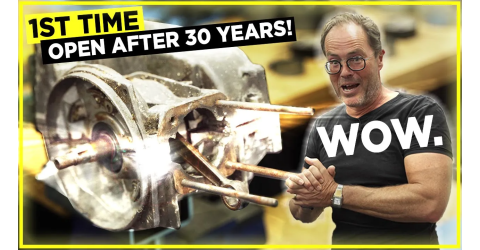
Is My Puch Moped Engine Leaking Air? How to Recognize and Fix False Air
If your Puch suddenly becomes impossible to tune, does not idle properly, or only seems to run with a much larger jet than expected, the problem may not be the jetting. It may be false air: unwanted air entering the engine after the carburetor.
False air is a common issue on Puch Maxi, Puch MV and other classic Puch two-stroke engines, especially after fitting a new cylinder kit, carburetor, intake manifold, crankshaft seals or crankcase gaskets. This guide explains how false air happens, where to check first, and how to prevent it when building or refreshing a Puch engine.
What does false air mean on a Puch engine?
A two-stroke engine should receive its air through the carburetor. The carburetor meters fuel into that air, creating the mixture the engine needs. False air is extra air entering after that metering point. Because this air has not passed through the carburetor, it leans out the mixture and makes the engine behave as if the carburetor is set incorrectly.
This is why false air can trick you. The engine feels lean, so the first reaction is often to fit a larger jet. But if the real problem is an air leak, the bigger jet will not solve it properly. The engine may still idle poorly, run unevenly or respond badly to tuning changes.
Back to topCommon signs your Puch is drawing false air
One of the biggest warning signs is jetting that no longer makes sense. For example, if a normal setup such as an Airsal cylinder with a 15 mm Bing carburetor suddenly seems to need a very large jet, that is a red flag. Exhaust choice can change the jet size a little, but it usually should not push the setup wildly outside the normal range.
Other signs include an unstable idle, poor throttle response, hanging revs, a motor that starts but will not settle, or a setup that keeps running badly even after you have tried several reasonable jet sizes. At that point, stop guessing with the carburetor and start checking for leaks.
Where false air usually enters a Puch engine
Start with the simple external points first, then move toward the deeper engine seals if the problem remains.
| Leak point | What happens | How to check | Best fix |
|---|---|---|---|
| Intake manifold gasket | Air enters between cylinder and intake manifold. | Spray test around the manifold while the engine idles. | Use a good gasket, clean surfaces and a thin layer of liquid gasket if needed. |
| 15 mm Bing carburetor on the manifold | Over-tightening can crack the carburetor or pull it oval, causing a leak. | Check if the carburetor clamps evenly and does not rock or deform. | Tighten normally, then only a small extra turn. Do not over tighten. |
| Carburetor top gasket | The small top gasket is missing, so the carburetor does not seal properly. | Check under the carburetor top cap where the two small screws hold it down. | Install the correct small gasket. Do not throw it away because it looks unimportant. |
| Cylinder base gasket | Air leaks at the foot of the cylinder. | Look for oil mist, uneven idle, or reaction during a careful spray test. | Use a new base gasket, degrease surfaces and seal lightly. |
| Cylinder head sealing surface | Compression and mixture control suffer when the head does not seal well. | Check sealing surfaces and tighten evenly. | Use the correct sealing method for your setup and torque evenly to about 10 Nm where applicable. |
| Ignition-side crankshaft seal | Air enters through a worn, damaged or crooked seal. | If all external points are good, inspect seal installation and condition. | Replace and install the seal straight and evenly. |
| Clutch-side crankshaft seal | ATF oil can be pulled into the combustion chamber. | Watch for sudden poor running, smoke, fouled plug or ATF loss. | Replace the seal and inspect the bearing and sealing surface. |
| Crankcase halves | Air enters through the case joint. | Often appears after a rebuild if surfaces were greasy or not cured. | Degrease, apply liquid gasket correctly, tighten from inside to outside and let cure. |
How to prevent false air during assembly
The best repair is prevention. Whenever you build a Puch engine or install a new cylinder, use new gaskets and work clean. Degrease the gasket surfaces before assembly. Grease, dirt and old gasket residue are enemies of a good seal, especially when you use liquid gasket.
From race experience, we prefer to use a thin layer of quality liquid gasket, such as Mahsil, on both sides of the gasket where sealing is critical. Do not apply huge blobs. The goal is a thin, even film that helps the gasket seal, not a thick layer that squeezes everywhere.
Liquid gasket needs time to cure. Many people build the engine and want to kick it over immediately, but the seal is stronger if you leave it alone for about 24 hours. For the best result on a complete engine build, seal the crankcase halves and let them cure first, then install the cylinder and allow that sealing work to cure as well. That means the best build can take 48 hours before the first ride.
Crankshaft seals must sit straight
Crankshaft seals are another important false-air source. On the ignition side, a damaged or crooked seal can let air enter the engine. On the clutch side, a worn or badly installed seal can allow ATF oil to be pulled toward the combustion chamber. In that case the bike may run briefly, then foul, smoke or stop running correctly.
Install the seals straight and evenly. A simple way is to use a 1 mm steel strip or a feeler gauge to check the seal depth around the top, bottom, left and right. If the seal sits the same all the way around, you have a much better chance of a properly sealed engine.
When lowering the upper crankcase half during a rebuild, do it carefully. Do not drop it onto the lower half. Clean assembly work matters: a little sand, dirt or grease on the sealing surface can be enough to create a problem later.
Back to topDo not confuse an exhaust leak with false air
The exhaust gasket should still seal properly, but an exhaust leak is not the same as false air entering the intake or crankcase. If the exhaust flange leaks, that is an exhaust leak. It can make noise, blow oil mist and reduce performance, but it is not usually the kind of false air problem that makes the carburetor impossible to tune.
For the exhaust gasket, clean surfaces and normal tightening are usually enough. You do not need liquid gasket there in the same way you use it on intake, crankcase or cylinder sealing surfaces.
Back to topHow to test for false air around the intake
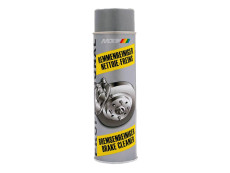
A quick spray test can help confirm an intake leak. This test is useful around the carburetor, manifold and cylinder base, but it should be done carefully.
FAQ: Puch false air and engine air leaks
Can a bigger jet fix false air?
No. A bigger jet may hide part of the symptom, but it does not fix the leak. If the engine is pulling air after the carburetor, the correct repair is to seal the leak.
Why does my Puch need a much larger jet than expected?
If the setup suddenly needs a jet far outside the normal range, false air is one of the first things to check. The engine may feel lean because extra air is entering after the carburetor.
Where should I check first for false air?
Start at the intake: manifold gasket, carburetor mounting and carburetor top gasket. These are easier to check than the crankshaft seals or crankcase halves.
Should I use liquid gasket on every Puch engine gasket?
Use it where sealing is critical and where it suits the application: intake, base gasket, crankcase halves and similar sealing surfaces. Apply only a thin layer on clean, degreased surfaces and allow it to cure.
Can a crankshaft seal cause false air?
Yes. A crooked, hard or damaged crankshaft seal can cause major tuning problems. On the clutch side it can also pull ATF oil toward the combustion chamber.